
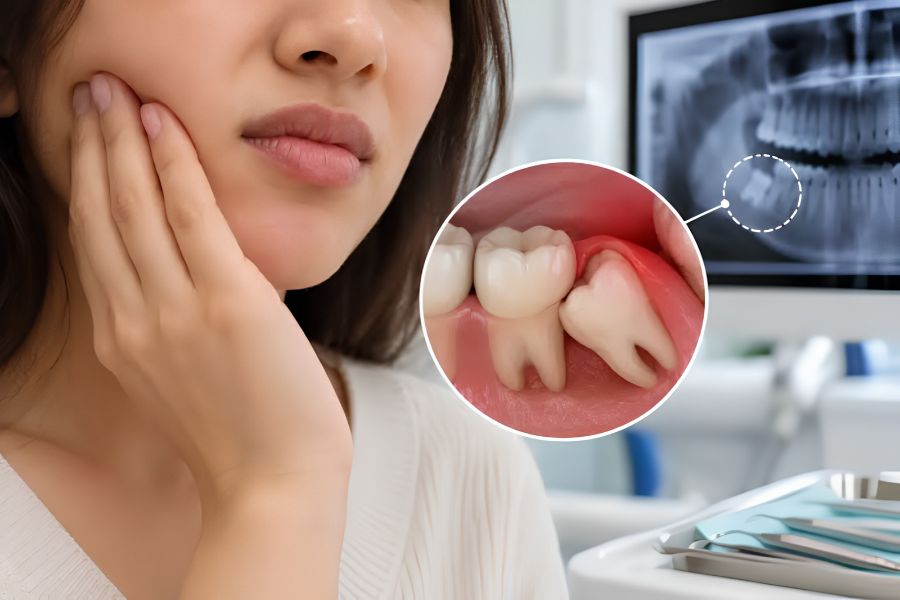
Have you ever experienced a sudden, sharp pain in your teeth while drinking cold water, eating ice cream or enjoying a hot cup of tea? If yes, you may be experiencing tooth sensitivity.
Tooth sensitivity is a common dental problem that can make everyday activities like eating, drinking and brushing uncomfortable. While occasional sensitivity may not always indicate a serious problem, frequent or worsening discomfort should not be ignored.
Understanding what causes sensitive teeth and when to seek professional help can make a big difference in protecting your oral health.
What Is Tooth Sensitivity?
Tooth sensitivity, also known as dentin hypersensitivity, occurs when the inner layer of your tooth becomes exposed to external triggers.
Your teeth have a protective outer layer called enamel. Underneath it is dentin, which contains tiny channels connected to the nerve inside the tooth.
When enamel becomes worn down or gums recede, the dentin may become exposed. Hot, cold, sweet or acidic foods and drinks can then trigger a sudden sensation of pain.

6 Common Causes of Tooth Sensitivity
1. Worn Tooth Enamel
Brushing too aggressively, using a hard-bristled toothbrush or frequently consuming acidic foods can gradually wear down enamel. Once this protective layer becomes thinner, your teeth may become more sensitive.
2. Gum Recession
When gums move away from the teeth, the roots may become exposed. Unlike the crown of your tooth, the root does not have the same enamel protection, making it more sensitive to temperature changes.
3. Tooth Decay and Cavities
A cavity can expose the inner layers of a tooth and cause sensitivity. You may notice discomfort when eating sweets or drinking something cold.
4. Cracked or Damaged Teeth
Small cracks in teeth can allow temperature changes and pressure from chewing to irritate the inner tooth structure.
5. Teeth Grinding
Grinding or clenching your teeth, especially during sleep, can wear down enamel over time. This may result in increased sensitivity and jaw discomfort.
How Do You Know If You Have Sensitive Teeth?
Look out for these common symptoms:
-
Sudden pain when drinking cold or hot beverages.
-
Discomfort while eating sweet or acidic foods.
-
Sharp sensations when brushing or flossing.
-
Pain when breathing in cold air.
-
Sensitivity while chewing certain foods.
The intensity can vary from mild discomfort to sharp pain. If the pain occurs in one particular tooth or continues even after removing the trigger, a dental examination is important.
How Can You Reduce Tooth Sensitivity?
A few simple habits may help manage mild sensitivity and protect your teeth.
Use a desensitising toothpaste: These toothpastes contain ingredients that help reduce sensitivity with regular use.
Choose a soft-bristled toothbrush: Brush gently using small circular movements instead of applying excessive pressure.
Limit acidic foods and drinks: Frequent consumption of citrus fruits, soft drinks and acidic beverages can contribute to enamel erosion.
Avoid brushing immediately after acidic foods: Give your mouth some time to neutralise acids before brushing.
Maintain regular dental check-ups: Professional examinations can help identify cavities, gum recession and enamel damage before they become more serious.
Can Tooth Sensitivity Be Prevented?
Yes, maintaining good oral hygiene can reduce the risk of developing tooth sensitivity.
Brush twice daily with fluoride toothpaste, floss regularly, avoid aggressive brushing and limit frequent exposure to acidic foods. Also, avoid using your teeth to open packages or bite hard objects.
Small preventive steps can help protect your enamel and keep your teeth comfortable.